
The EU-Mercosur trade agreement in effect: what changes now for those looking to expand in Brazil
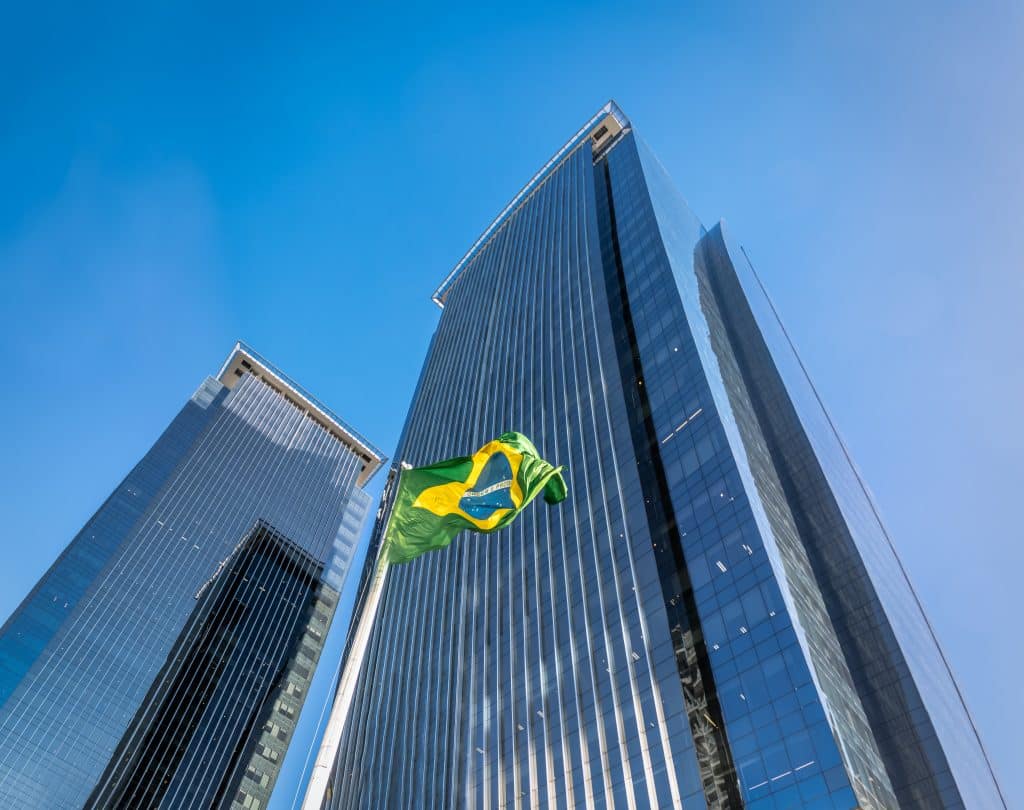
After more than two decades of negotiations, the agreement between Mercosur and the European Union has gone from being a promise to a practical reality: on May 1, 2026, the Interim Trade Agreement (ITA) entered into provisional force.
Rare earths: why have these minerals become key to global geopolitics and Brazil’s future?

In May 2026, during a meeting at the White House, Presidents Lula and Trump placed rare earth elements at the center of their discussion, following months of meetings between Brazilian and U.S. technical experts. That same week, the Chamber of Deputies approved the creation of the National Policy on Critical and Strategic Minerals (PNMCE), a bill that still requires Senate approval and which the government presents as a milestone capable of reshaping Brazil’s role on the global stage.
Mercosur-EU Trade Agreement: why has Brazil returned to Europe’s radar?

The progress of the trade agreement between Mercosur and the European Union, which will enter into force provisionally on May 1, has put South America back on the radar of international companies and investors. Negotiated over more than two decades, the pact provides for the progressive reduction of tariffs and the strengthening of trade between the blocs, connecting a potential market of approximately 718 million people and a combined GDP exceeding US$22.4 trillion, according to data from the European Commission and the Brazilian Ministry of Foreign Affairs.
Starting a business in Brazil: costs and the importance of specialized support

Entrepreneurship is a dream for many people. Data from the latest report by the Global Entrepreneurship Monitor (GEM), the world's leading survey on entrepreneurship, which is supported by the Brazilian Micro and Small Business Support Service (Sebrae), reveals that having their own business is the third biggest dream of Brazilians, second only to buying their own home and traveling around Brazil, respectively.
The importance of the legal representative: an analysis of the social network case X

After a 40-day suspension, X (formerly Twitter) has resumed operations in Brazil following the payment of R$28.6 million in fines. The suspension was primarily due to the lack of a legal representative/attorney-in-fact appointed in Brazil, as determined by Minister Alexandre de Morais of the Superior Federal Court (STF). This case highlights the critical role of a legal representative for foreign companies operating in the country
Corporate governance is a fundamental pillar for business success

Corporate governance is a set of practices and policies adopted by companies to ensure efficient, transparent and ethical management. Those that adopt good governance practices generally perform better, are more resilient in times of crisis and are able to innovate more easily.
Legal obligations that every board member must fulfill

Within the scope of a board member’s role, it is necessary to observe and comply with a series of legal obligations that underpin the integrity of their duties. These responsibilities include full compliance with the laws and regulations pertaining to the sector in which the organization operates. In addition, board members are obliged to act diligently, ensuring that their decisions are aligned with the interests of the company.
Foreign companies must appoint a legal representative in Brazil

Foreign companies planning to establish a presence in Brazil need to understand local legislation. Among the various obligations is the need to establish a legal representative in the country. This representative will be in charge of overseeing and managing all the company's operations in Brazil, ensuring compliance with local laws and regulations.
Foreign Direct Investment in Brazil: how does it work?

In the first half of 2023, Brazil stood out as the country that attracted the most Foreign Direct Investment (IED, in Portuguese), second only to the United States. This result is particularly significant given the current global uncertainty. It is worth noting that, in 2022, Brazil had already occupied fifth place in this ranking, with a total of US$ 86 billion in IED, surpassed only by the USA. This rise in attracting foreign investment highlights the country's attractiveness on the international scenario.
Guidelines for foreign investors when opening a business in Brazil
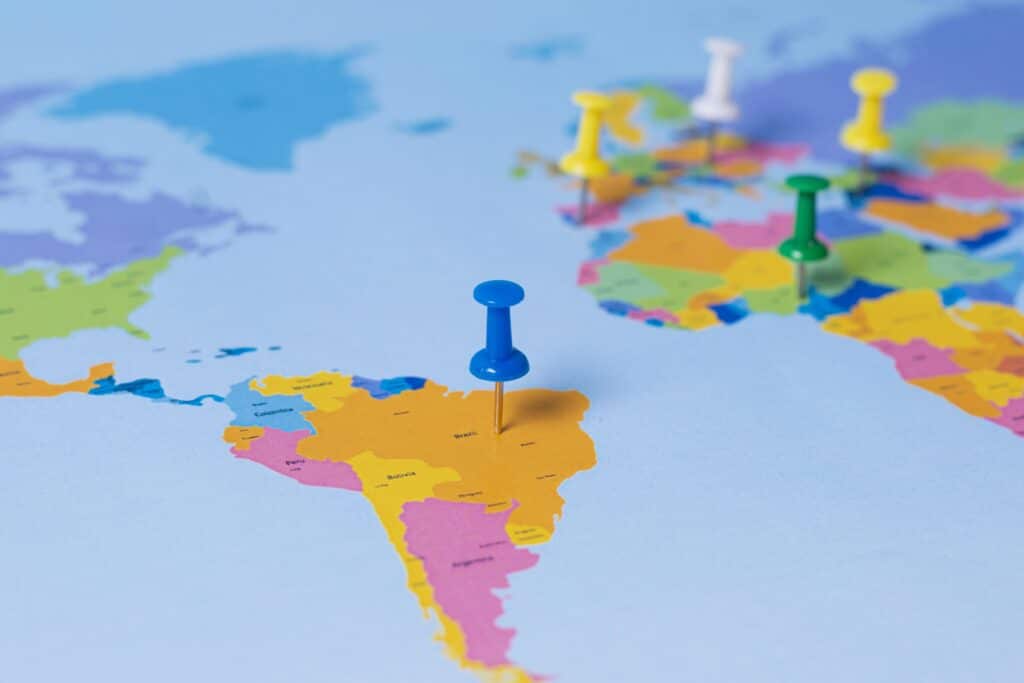
The historically complex process of opening a business in Brazil has undergone significant changes. Simplification measures have been adopted with the aim of making the procedure more accessible, providing a friendlier environment for foreign investors.